
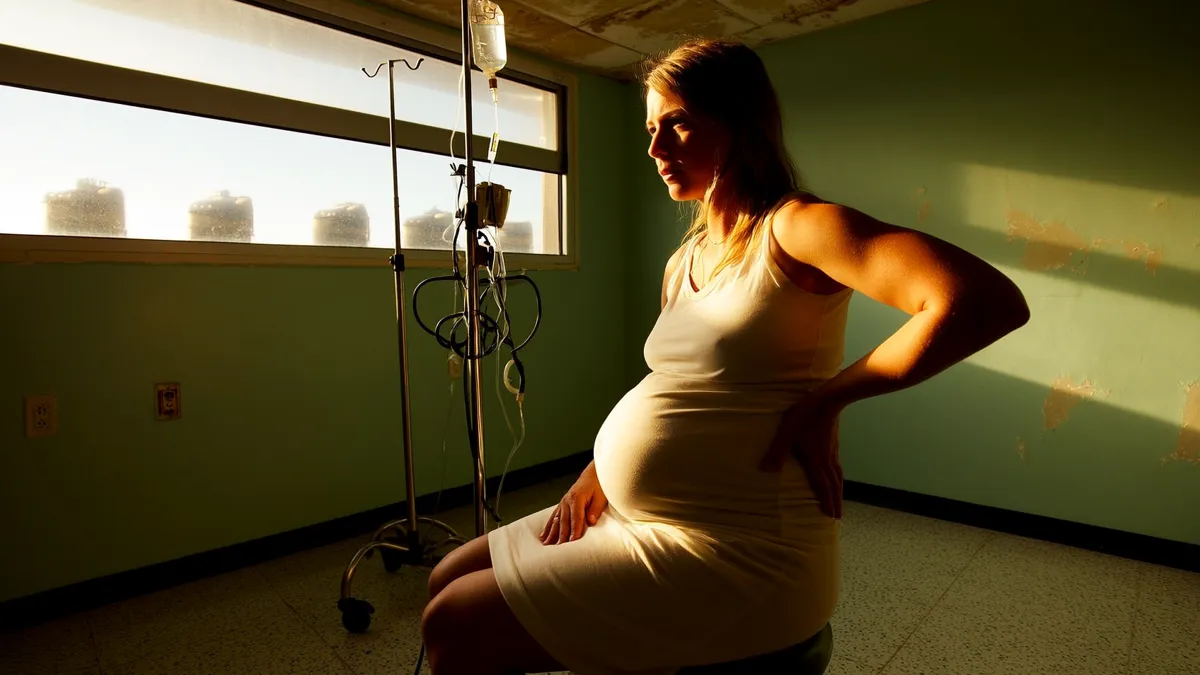
Why does your body feel different in the final weeks?
As the due date approaches, the body begins a gradual preparation process. According to Dr. Aline Melo Feitosa, coordinator of the Semi-Intensive Unit at Maternidade Star (Rede D'Or, São Paulo), there is no mandatory sequence of symptoms — some women experience clear warning signs, while others go into active labour with no advance notice at all. What matters most, she says, is observing the overall picture rather than any single symptom in isolation.
What are the 8 signs that may intensify before labour?
1. Braxton Hicks contractions become more frequent
These "training contractions" cause the belly to harden and may bring mild discomfort or even a brief sense of breathlessness, but they are not regularly spaced and do not cause intense pain. They typically ease with hydration, rest, a warm shower or a change of position — unlike true labour contractions, which grow steadily more regular, stronger and closer together, and lead to progressive cervical effacement and dilation.
2. Increased pelvic pressure
Many mothers-to-be feel the baby has "dropped." In first-time pregnancies this engagement can happen days or even weeks before birth, producing a heavy sensation in the lower abdomen, pubic-symphysis pain, difficulty walking and increased pressure on the pelvic floor and bladder.
3. Back pain intensifies
As the baby settles deeper and hormonal changes loosen the ligaments, lower-back and sacral pain tends to worsen in the final stretch. Some women experience it as a dull, persistent ache that radiates around to the front.
4. Changes in vaginal discharge
An increase in mucous discharge is common as the cervix begins to soften and thin. The loss of the mucous plug — sometimes streaked with pink or brown blood — can signal that the cervix is starting to change, though labour may still be days away.
5. Increased urinary frequency
With the baby pressing directly on the bladder, trips to the bathroom become even more frequent, including during the night.
6. Digestive changes
Some women notice looser stools or nausea in the days before labour begins, linked to hormonal shifts that relax smooth muscle throughout the body.
7. Fatigue or a sudden burst of energy
Extreme tiredness is common, though some women experience the opposite — a sudden urge to clean and organise the home, often called the "nesting instinct."
8. Increased emotional sensitivity
Heightened anxiety, mood swings or an intense desire to stay close to home are frequently reported in the final weeks, reflecting both hormonal changes and the emotional weight of imminent birth.
- No fixed sequence of pre-labour symptoms exists; experiences vary widely.
- Braxton Hicks contractions ease with rest and hydration; true labour contractions do not.
- Fetal engagement (baby "dropping") can happen days or weeks before birth, especially in first pregnancies.
- Loss of the mucous plug signals cervical change but not an imminent delivery time.
- Monitor the overall pattern of symptoms, not any single sign in isolation.
💬 Comments
Sign in to comment and like