
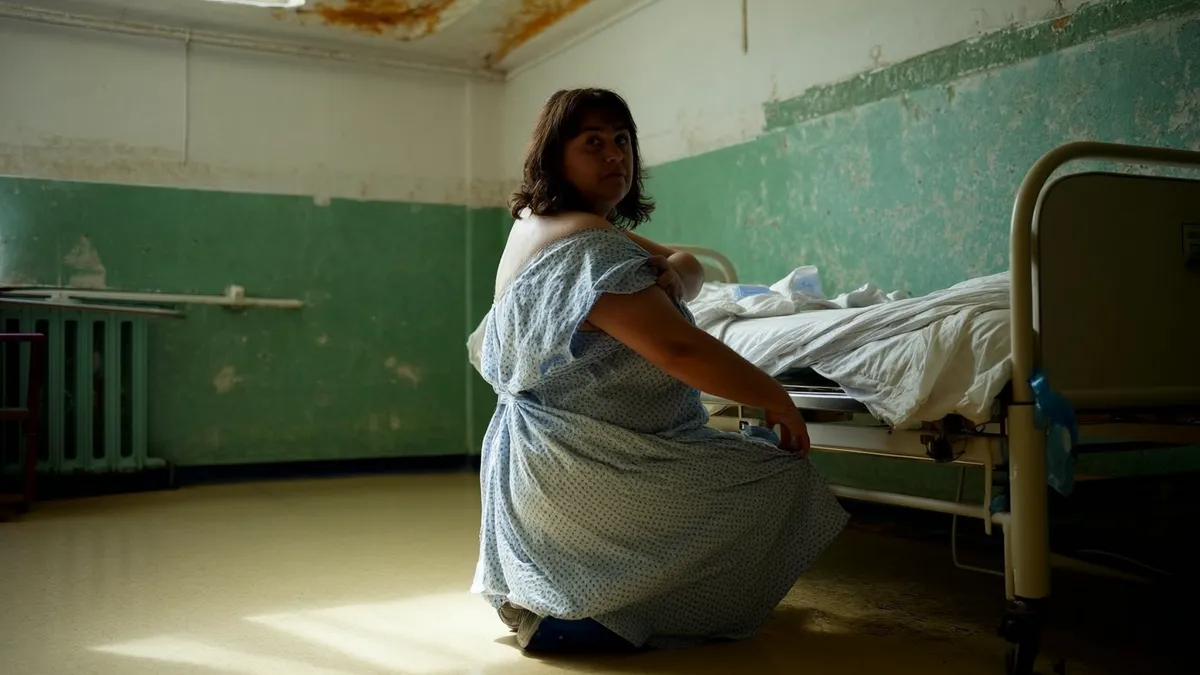
What exactly happened to Priscilla Lima during pregnancy?
Priscilla Lima, a 45-year-old Brazilian journalist living in Spain, noticed milk leaking from her armpits during her first pregnancy. Rather than panicking, she laughed — because she already knew she had accessory breast tissue, a condition where mammary glands develop outside the usual chest area. During pregnancy, that tissue grew and began producing milk, just like her regular breasts.
What is accessory breast tissue and how common is it?
Accessory mammary tissue (also called polymastia or supernumerary breasts) develops along the embryonic milk line, which runs from the armpits to the groin. Most people never know they have it until hormonal changes — such as pregnancy or menstruation — cause swelling, pain, or even lactation. Priscilla first noticed a lump under her left arm at age 15, followed years later by one under her right arm. Doctors repeatedly told her it was non-malignant and to "leave it alone," though it caused significant pain, especially around her period.
When did she finally get a diagnosis?
A definitive answer came only after a consultation with a breast specialist at Unicamp, who confidently identified the lumps as accessory breasts. He explained that, like other mammals, some women are born with more than two breast-tissue sites. "I was just drawn in the lottery," Priscilla jokes. She had long considered the condition a bizarre anomaly, though she never felt ashamed to talk about it.
Why didn't she have it removed?
Around age 30, Priscilla sought a surgeon to remove the tissue. The surgeon warned that the procedure would require opening the area, assessing the full size of the tissue only after the incision, and likely a second surgery involving implants to match her remaining breasts — plus two months of recovery. At the time she was working in television and could not take that much time off, so she kept the accessory breasts.
What happened during pregnancy?
As hormone levels surged, the accessory tissue enlarged noticeably and started producing milk alongside her regular breasts. "Everyone around me was shocked," she recalls. Priscilla herself stayed calm and even found humor in the situation, surprising friends and followers who had never heard of the condition before.
- Condition: accessory mammary tissue (polymastia), present since age 15
- Symptoms: painful lumps under both arms, worsening with hormonal cycles
- Diagnosis confirmed by a breast specialist at Unicamp
- Milk production from armpit tissue observed during first pregnancy
- Surgical removal was declined due to complexity and recovery time
- Priscilla Lima is a 45-year-old Brazilian journalist based in Spain
💬 Comments
Sign in to comment and like