
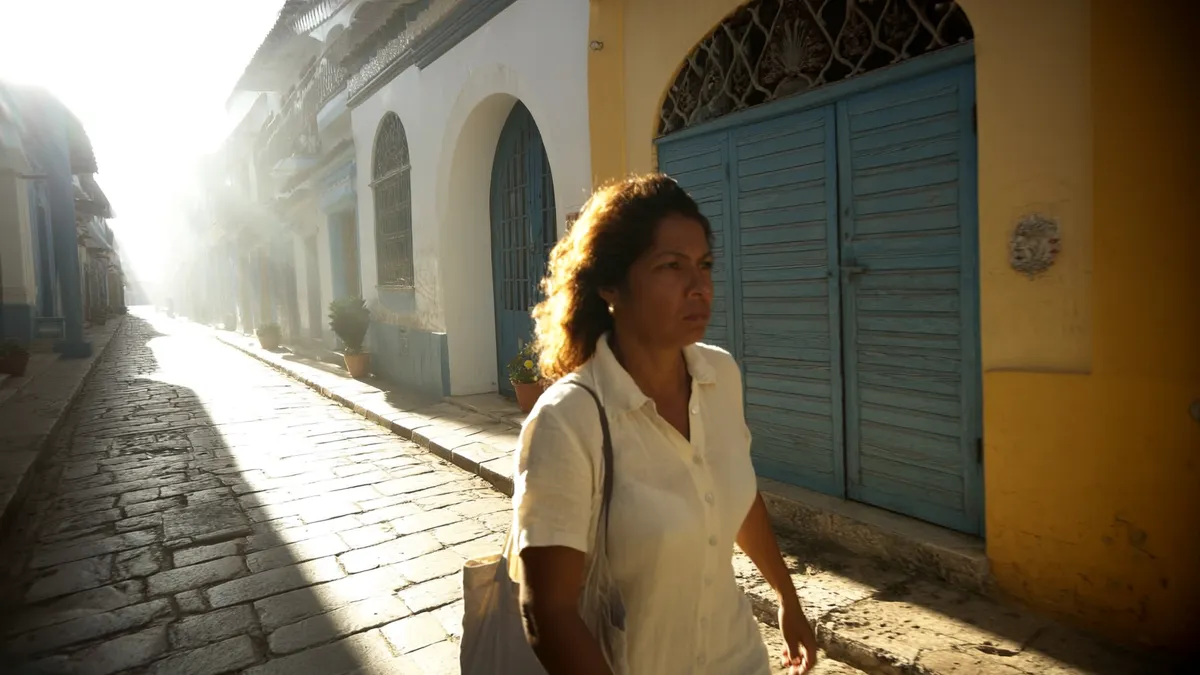
Why does domestic overload increase the risk of gender violence?
Brazilian women spend an average of 21.3 hours per week on care and household work, nearly double the 11.7 hours logged by men, according to the 2022 National Household Sample Survey (Pnad Contínua). Experts say this imbalance traps women in the private sphere, cutting off the financial independence they would need to leave abusive situations.
What do specialists say about the link between care work and violence?
Professor Thamires da Silva Ribeiro, a care-policy specialist at Rio de Janeiro State University (UERJ), draws a direct line between unpaid care burdens and vulnerability to domestic violence. "Women overloaded with care work stay mainly in the private sphere of their homes, without economic autonomy," she explains. "It becomes much harder to leave violent situations."
She highlights that conditions are even more severe for Black women in Brazil, who she says are disproportionately embedded in the care system and face compounded social inequalities rooted in the country's socio-historical formation.
Is the overload itself considered a form of violence?
Christine Silveira Abdalla, a geriatrics and gerontology specialist and founder of the NGO Associação Cuidadosa, argues that the overload itself constitutes violence: women give up paid work, education and social life to provide care, often without recognition or compensation.
What legal tools exist to address this?
The Maria da Penha Law, which turns 20 years old on 7 August 2026, was designed to prevent abuse, punish perpetrators and protect women. In December 2024, Brazil also enacted the National Care Policy (Lei 5.069/2024), which specialists see as a step toward shared social responsibility between men and women. Better income access, support spaces and social networks, they argue, would give women more tools to escape violence.
- Women average 21.3 h/week on care work vs 11.7 h for men (Pnad Contínua 2022).
- The Maria da Penha Law turns 20 on 7 August 2026.
- National Care Policy (Lei 5.069/2024) enacted December 2024.
- Financial, psychological and emotional dependence are identified as key enablers of domestic violence.
- Black women face compounded vulnerability due to structural inequalities.
💬 Comments
Sign in to comment and like