
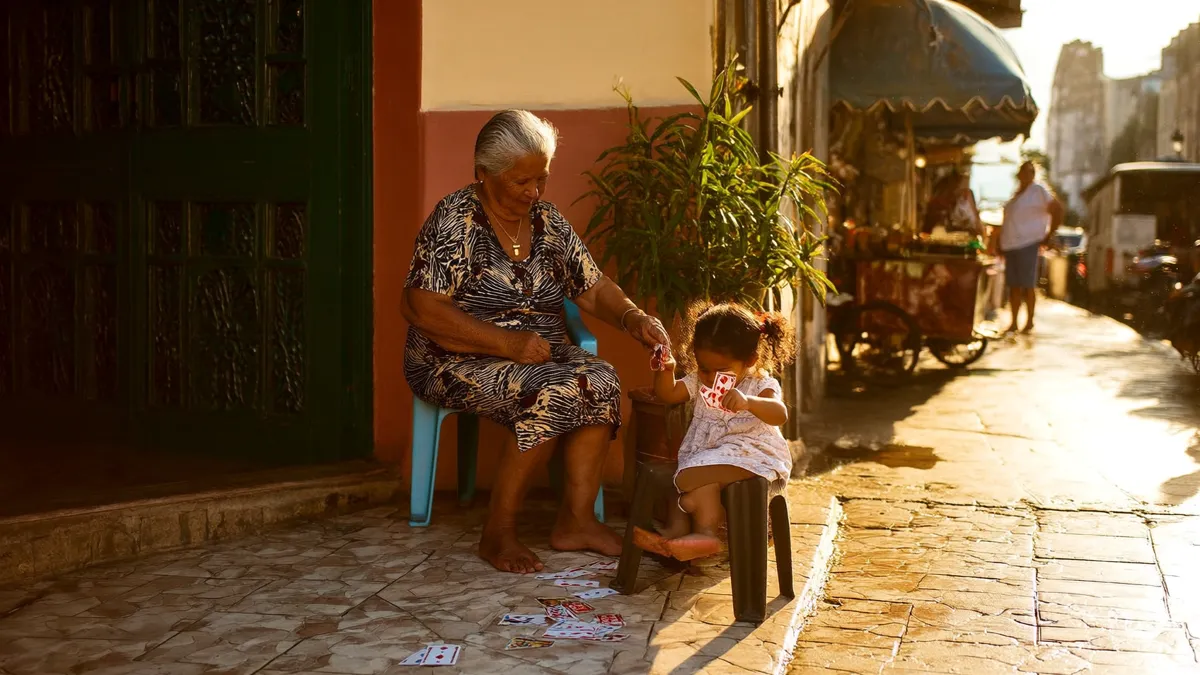
Are grandparents really that important for children's development?
Clinical psychologist Dina Frutuoso, author of Memórias Afetivas and a decades-long researcher of intergenerational relationships, says grandparents provide far more than logistical support. At 86 years old, she spoke with Brazil's Crescer magazine and challenged common stereotypes about grandparents' role in family life.
Is it true that grandparents "spoil" children?
Frutuoso pushes back firmly on this idea. "First, saying grandparents spoil children is a prejudice. We must always remember that people are different, and elderly people are people — and also very different from one another," she says. She draws on her own childhood experience: her grandmother, though illiterate, was a key figure in shaping who she became. From age 8 to 22, she shared a bed with her grandmother after her grandfather passed away — and credits that relationship as formative.
What actually makes the grandparent-grandchild bond so powerful?
According to Frutuoso, grandparents provide three things that modern family life often lacks: affection, identity and memory. They also offer something increasingly rare — unhurried time. "Most parents are always rushing. Grandchildren go to their grandparents' house to stay," she explains. The grandparents' home becomes a refuge where children can move at their own pace, build a fort out of chairs in the living room, or spend a slow afternoon — things that get squeezed out of busy urban schedules.
What do grandchildren bring to grandparents' lives?
The exchange is mutual. For grandparents, especially those facing the loneliness that can come with aging, this closeness is revitalizing. Frutuoso even emphasizes including great-grandparents in family gatherings — even if they live in care homes — to keep the bond alive.
How should families set boundaries with grandparents?
The psychologist says the key word is agreement. Parents and grandparents should discuss and align their approaches to discipline and daily routines. Grandparents can and should set limits too, she notes — but with warmth: "I care about you a lot, but what you're doing isn't helping; let's talk about it."
- Psychologist Dina Frutuoso has studied intergenerational relationships for decades and is the author of Memórias Afetivas.
- She is 86 years old and shared her personal experience of living with her grandmother from age 8 to 22.
- Her grandmother was illiterate but played a decisive role in her upbringing.
- Key benefits grandparents offer: affection, identity, memory, and unhurried time.
- Frutuoso stresses that family agreements between parents and grandparents are essential for healthy dynamics.
- She advocates including great-grandparents in family life, even those in care facilities.
💬 Comments
Sign in to comment and like