
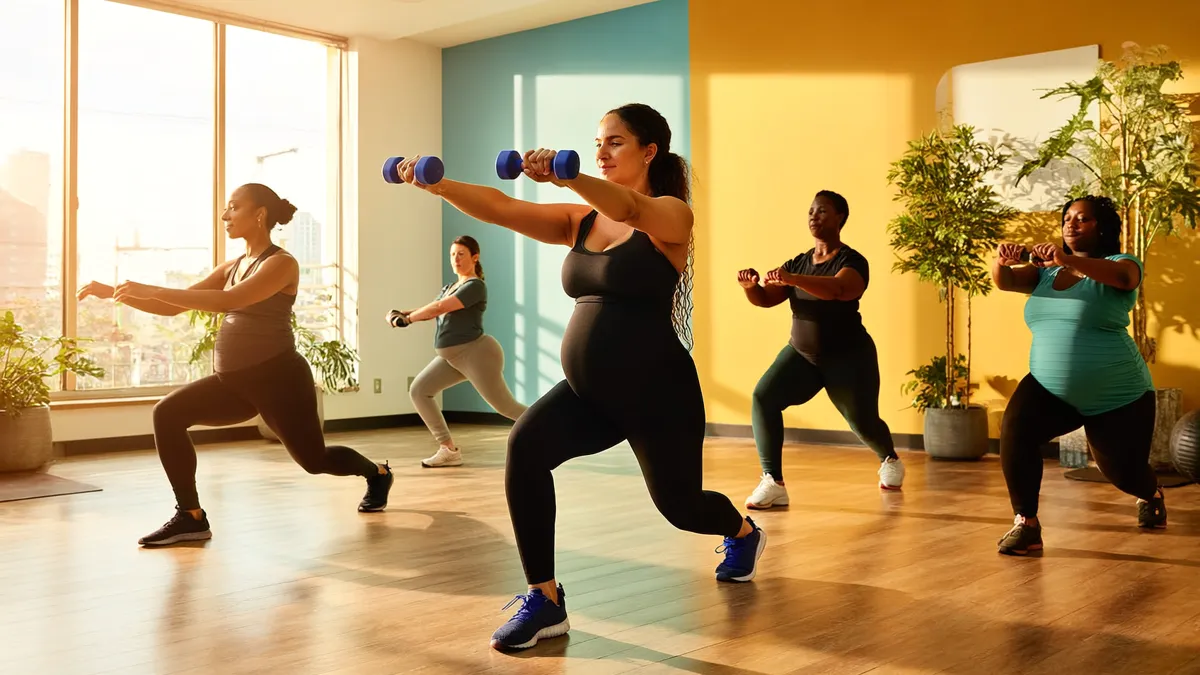
Can pregnant women lift weights?
Yes — in a low-risk pregnancy, strength training is not only safe but actively recommended by leading international guidelines on physical activity during pregnancy. Obstetrician and sports medicine specialist Sílvia Casseb explains that strength exercises are part of current recommendations for all pregnant women: every adult should do at least two muscle-strengthening sessions per week, and that includes expectant mothers.
Why did doctors used to say no?
The hesitation has deep roots. For decades, the standard advice was to minimise physical effort as soon as pregnancy was confirmed. Today, science says the opposite: staying active is part of a healthy pregnancy. Strength training, when well guided and adapted to the body's changes, can reduce pain, improve posture, control weight gain, and help prepare the body for labour and postpartum recovery.
What adaptations are needed?
Fitness specialist Caroline Twardoski Lira, who works specifically with pregnant and postpartum clients, stresses that simply copying a pre-pregnancy routine is not enough. The body's physiology changes significantly, and the programme must reflect that. Key principles include:
- Use moderate loads and focus on good technique.
- Avoid exercises that compress the abdomen or require lying flat on the back for extended periods, especially after the first trimester.
- Monitor intensity — perceived exertion is a useful guide when heart-rate targets shift during pregnancy.
- Adjust exercises trimester by trimester as the centre of gravity shifts and joints loosen due to relaxin.
Who should avoid strength training during pregnancy?
Women with high-risk pregnancies — including those with placenta praevia, preterm labour risk, uncontrolled hypertension, or other conditions flagged by their obstetrician — may need to modify or suspend training. Always get clearance from your ob-gyn before starting or continuing any exercise programme.
Do you need a doctor's note to keep training?
According to Sílvia Casseb, women who were already training before pregnancy generally do not need to wait for a specific medical evaluation just to continue. However, ongoing obstetric follow-up is essential to confirm the pregnancy remains low-risk, and sessions should be supervised by a qualified fitness professional familiar with the physiological changes of pregnancy.
- Strength training is recommended for all low-risk pregnant women by international guidelines.
- At least two muscle-strengthening sessions per week are advised for all adults, including pregnant women.
- Moderate load and proper technique are the main safety conditions.
- Professional supervision — both obstetric and fitness — is essential throughout pregnancy.
- High-risk pregnancies require individual medical assessment before exercising.
💬 Comments
Sign in to comment and like