
Who really built Brazil's 'Swiss city'?
Campos do Jordão's European-alpine look can fool you into forgetting how deeply Brazilian its origins are. The city was founded in 1874 by Portuguese immigrant Matheus da Costa Pinto, who bought the land high in the Serra da Mantiqueira to run a cattle farm. Long before fondue and chalet hotels, the priority was beef.
How did tuberculosis shape the city?
From the 1920s onward, Campos do Jordão became a destination for tuberculosis patients. With no effective drugs available, doctors prescribed cold mountain air, rest, and good food — and the city's altitude delivered all three. Sanatoriums filled the hillsides, and the visitors who came to see their hospitalised relatives fell in love with the scenery. Historian Edmundo Rocha Campos notes that this family tourism planted the seed of the resort industry that replaced the sanatoriums once modern medicine arrived.
What is the Northeastern connection?
While Portuguese settlers laid the groundwork, families from Brazil's Northeast played a defining role in developing the city's workforce, culture, and everyday life — a chapter that rarely makes it onto the tourist map but is central to the city's identity.
Why does it look like Switzerland?
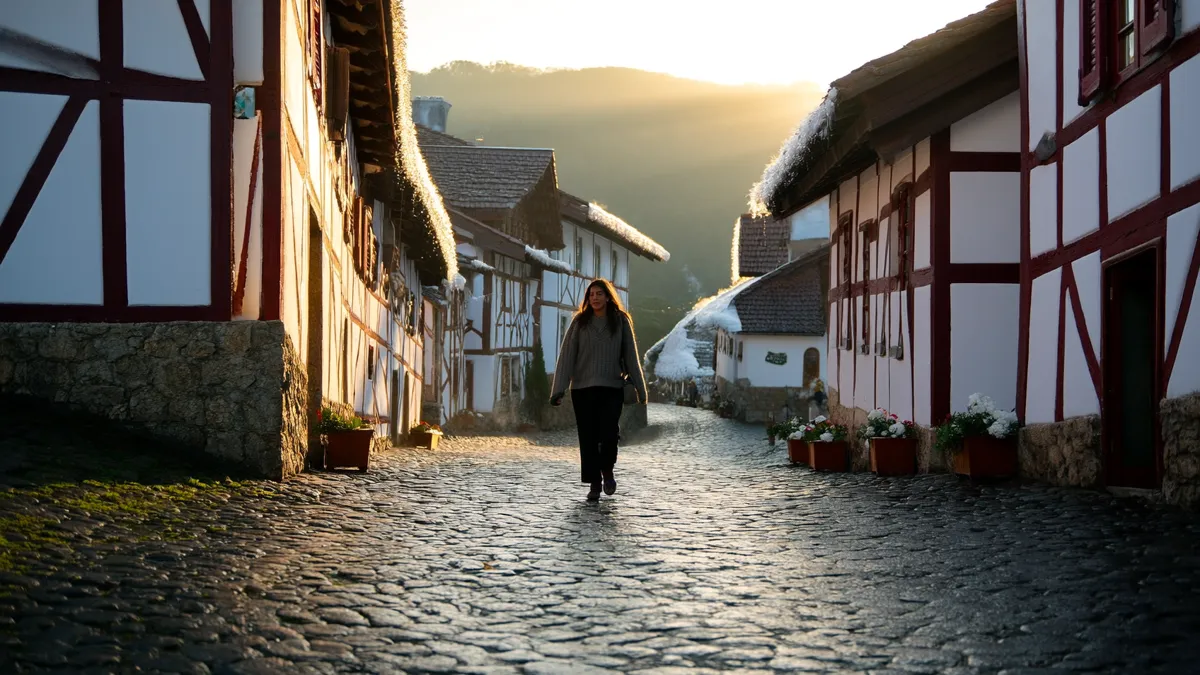
Architecture professor Agnes Yuri Uehara Bezerra describes the city's style as 'eclectic' rather than purely Swiss. She points to a genuine mix of influences brought by post-World War II foreign migration: Swiss-style chalets like Hotel Toriba sit alongside other imported styles. The result is a cheerful architectural collage that reads as 'Alpine' but is thoroughly Brazilian in spirit.
How popular is Campos do Jordão today?
The city expects 6 million visitors in 2026. Winter alone draws around 2.2 million tourists, making it one of Brazil's top cold-weather escapes. If you're planning a trip, book accommodation weeks in advance — winter weekends sell out fast.
- Founded in 1874 by Portuguese immigrant Matheus da Costa Pinto
- Grew as a tuberculosis sanatorium hub from the 1920s to 1960s
- Northeastern Brazilian families were key to the city's development
- Architecture is 'eclectic', blending Swiss chalets with other post-WWII styles
- 6 million visitors expected in 2026; ~2.2 million during winter season alone
💬 Comments
Sign in to comment and like