
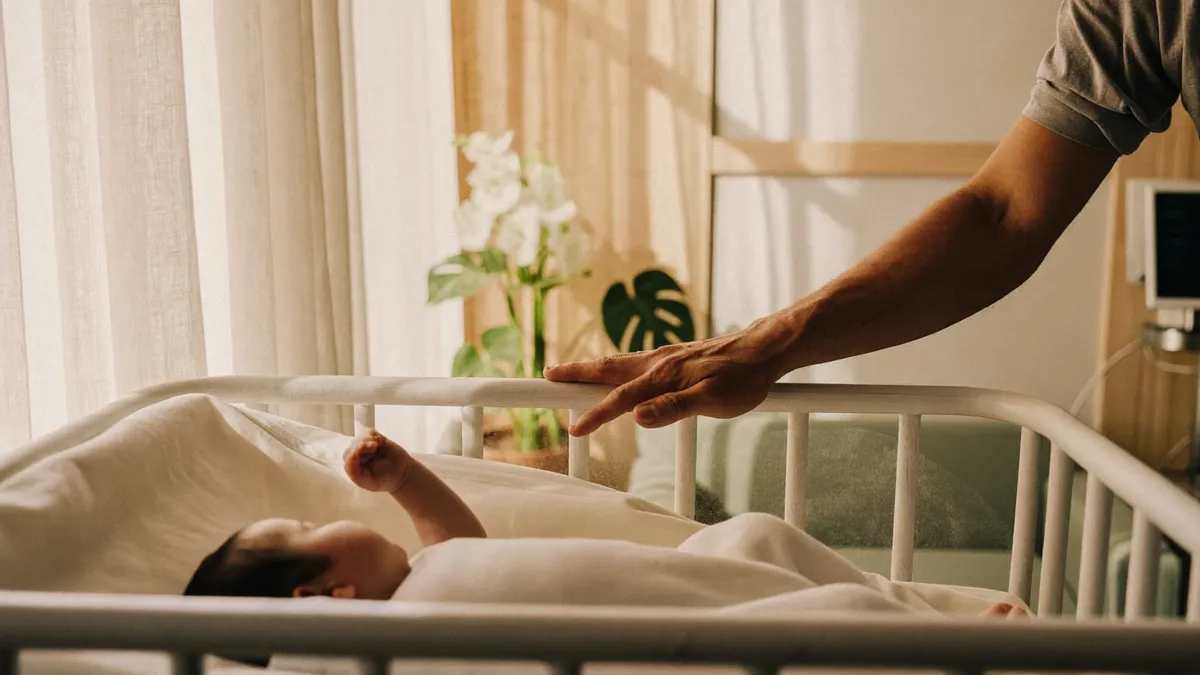
What exactly changes in a new father's brain?
A study published in Translational Psychiatry in May 2026 tracked 25 first-time fathers from the first week after birth through week 24, using MRI scans and bonding questionnaires at six different checkpoints. Researchers from RWTH Aachen University in Germany found changes in both brain structure and in how different regions communicate with each other.
When do the biggest changes happen?
The most significant transformations occurred during the first six weeks of a baby's life. Scans showed an initial reduction in grey matter volume — a process called neural pruning. Far from being harmful, this is a natural reorganisation: some neural connections are strengthened while others are trimmed, making information processing more efficient and tuned to caregiving tasks.
Which brain regions are affected?
Beyond structural shifts, the study recorded changes in brain connectivity — the way different regions work together. Over the weeks, areas linked to empathy and complex cognitive functions became more integrated. The cingulate cortex was among the regions observed to change over the monitoring period. Researchers noted that while the brain initially 'shrinks' in the first trimester of fatherhood, certain regions show signs of later recovery.
Why does this matter for dads?
These neurological changes may directly support caregiving behaviours: recognising a baby's cues, responding sensitively to discomfort, and building a stronger bond. While earlier research had already identified hormonal shifts in new fathers, this study is notable for following the same men across multiple time points rather than comparing different groups — giving a clearer picture of how the paternal brain evolves in real time.
- Study published in Translational Psychiatry, May 2026
- Conducted by RWTH Aachen University, Germany
- 25 first-time fathers tracked at 6 checkpoints over 24 weeks
- Most dramatic brain changes occur in the first 6 weeks after birth
- Grey matter reduction (neural pruning) is a natural, beneficial reorganisation
- Empathy and cognitive areas showed increased connectivity over time
💬 Comments
Sign in to comment and like